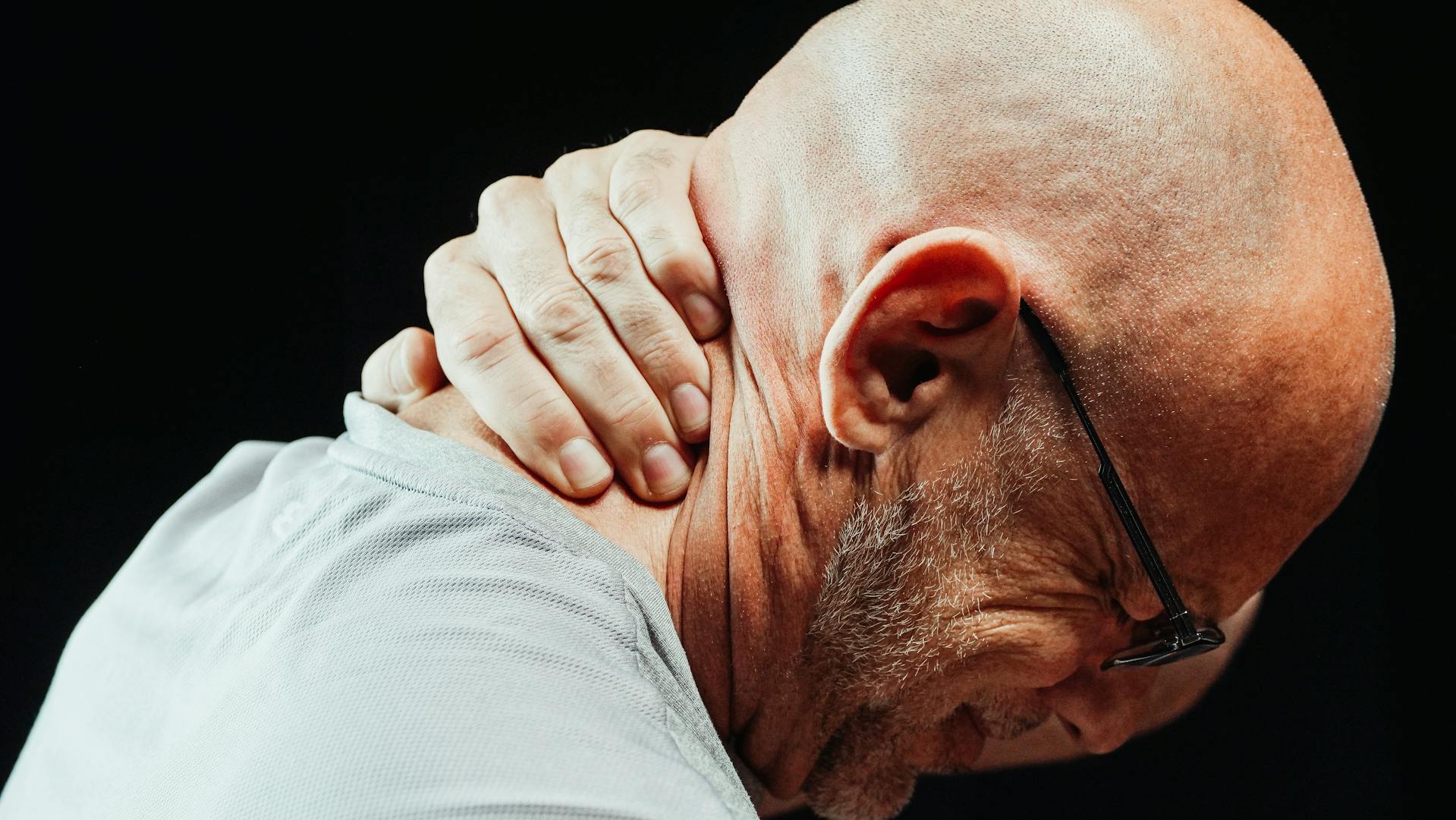
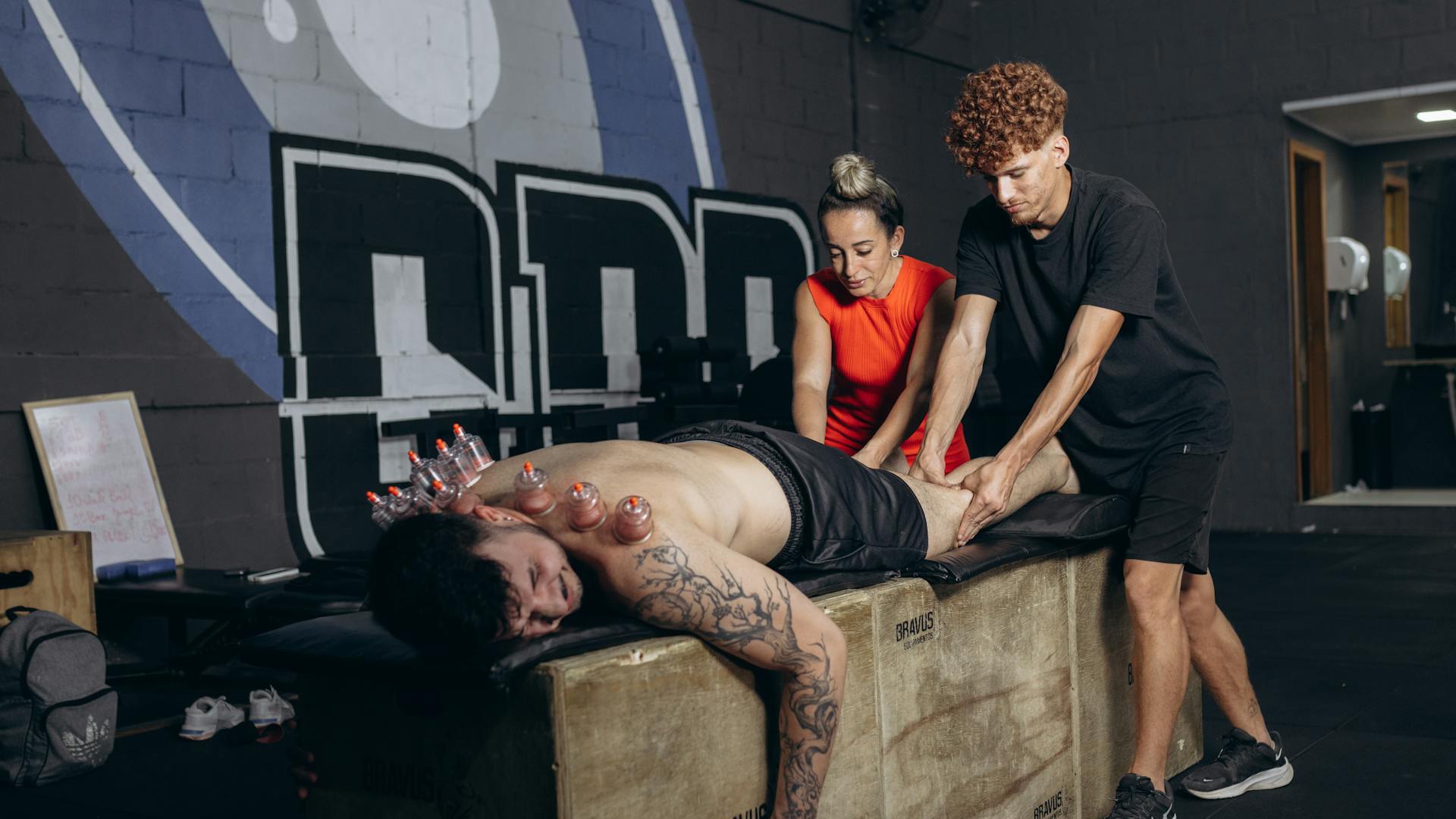
Post-exercise recovery is critical for athletes at all levels. Sports massage is a powerful tool for athletic recovery, as professional and amateur athletes know well. Dozens of professional athletes prioritize sports massage as a critical component of their recovery regime. Many athletes report increased muscular flexibility and agility post-massage. Recovering from hard workouts is another commonly-cited reason to include massage in recovery rituals. But what is the science behind sports massage and muscular revival? Today we’re taking a look at research on how massage therapy works to support athletic recovery.
Sports Massage: Common Misconceptions
If you asked the average gym rat, they might say that massage helps with athletic recovery in two ways: 1. By increasing circulation for improved muscular performance, and 2. By clearing a toxin, specifically lactic acid, from taxed muscles. The common thinking goes like this: I’m sore after a workout, and massage helps by clearing the biochemicals that make me sore.
However, as a recent article in the New York Times explains, researchers have known since the 1980s that performance-limiting post workout soreness, or DOMS (Delayed Onset Muscle Soreness), is actually caused by small muscle tears ripped during intense or new exercise. The body does use lactic acid during anaerobic exercise, but the lactic acid is burned away in that process. That means no lactic acid remains to cause the sensation of soreness.
As for blood flow, athletes generally enjoy excellent circulation regardless of massage. Concerns about pushing blood out of the extremities is mainly a concern for sedentary individuals.
Sports Massage Mechanisms: What Research Does Show
As athletes and LMT report, muscle feels different after a massage, suggesting that sports massage can improve recovery by relieving muscular tension. This change, while important, is hard for researchers to measure.
Pain relief is another helpful outcome of massage for athletes. While the Gate Theory is used to explain how touch can reduce pain, a small study has proposed that vibration (such as from a massage) actually works by activating neural structures that register touch and modulate pain.
All in all, the main mechanism for massage therapy appears to be stress release. Multiple researchers have found that massage therapy improves athletic performance by reducing stress. A literature review of 114 studies concluded that sports massage keeps athletes relaxed (Dakić et al., 2023).
Additionally, Harvard scientists have found that massage promotes cellular healing in the muscles of mice (Brownell, 2021). After delivering precise compressions to the muscles of mice, scientists discovered treated muscles recovered faster and stronger than non-treated muscles. Examining the mechanism of muscle recovery, researchers hypothesized that repetitive pressure (which they called “mechanical loading”) helps clear muscle tissue of neutrophils, a type of cell which initially triggers inflammation and muscle regeneration. However, if neutrophils remain in muscle tissue too long, they can delay recovery. Mechanically applied pressure appears to squeeze neutrophils out of muscle tissue, increasing the rate of recovery.
While we are in the early days of research on the cellular mechanisms of massage, it appears the old misconception that massage “pushes toxins out” of tissue wasn’t totally wrong; it just misidentified the biochemical. It’s not lactic acid that’s to blame for lingering inflammation, but rather cytokines including neutrophils. It will be interesting to keep an eye on scientific journals as they continue to publish new research on the mechanisms of massage.
Our Massage School’s Resources for Sports Massage
Overall, athletes find multiple benefits of sports massage therapy, regardless of what formal research says. If you’re interested in becoming a sports massage therapist, we recommend getting in touch with our Portland massage school’s admissions team. Our friendly admissions officers would be happy to give you a tour and answer any questions you may have. For local athletes looking for a relaxing way to effectively recover from training, Our Massage Clinic is an affordable local recovery resource.
Sources
Aschwanden, C. (2025, April 9). Massage can help after a workout, but not for the reason you think. The New York Times. https://www.nytimes.com/2025/04/09/well/move/sports-massage-workout-recovery.html
Brownell, L. (2021, October 6). Massage helps injured muscles heal faster and stronger. The Harvard Gazette. https://news.harvard.edu/gazette/story/2021/10/massage-helps-injured-muscles-heal-faster-and-stronger/
Dakić, M., Toskić, L., Ilić, V., Đurić, S., Dopsaj, M., & Šimenko, J. (2023). The effects of massage therapy on sports and exercise performance: A systematic review. Sports (Basel, Switzerland), 11(6), 110. https://doi.org/10.3390/sports11060110