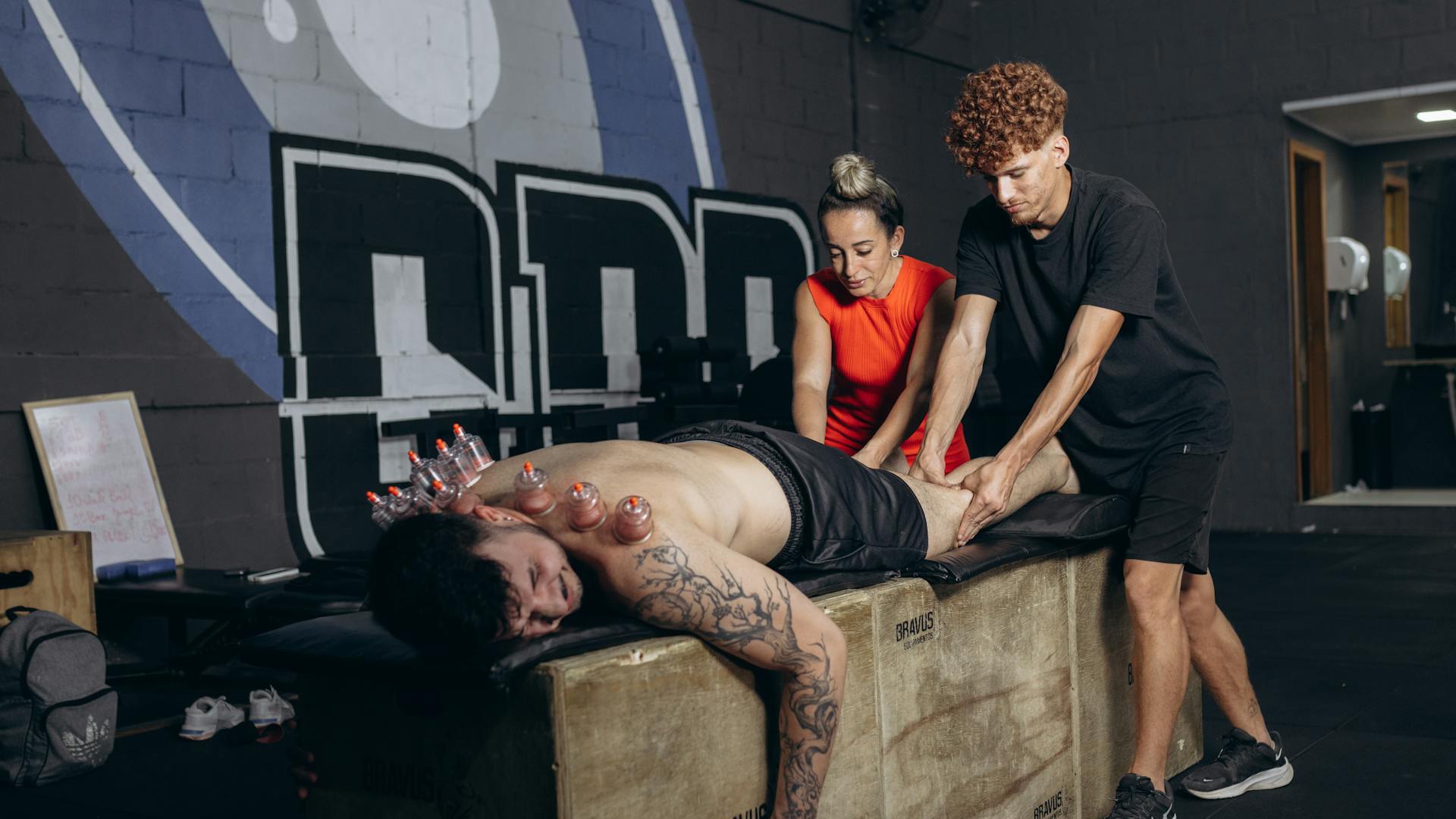
While preparing for new massage careers, aspirant LMTs consider work settings, including spas, private practices, and hospitals/clinics with medical massage. Licensure for massage in Oregon requires LMTs to study practical application classes covering this information. Today we’re focusing on massage as part of integrative care, a burgeoning medical model that includes alternative healing approaches.
What is Integrative Care?
Healthcare in the United States is transforming from a biomedical approach to a biopsychosocial model. While traditional biomedical medicine solely addresses physical disease, biopsychosocial treatment also emphasizes the emotional, mental, and cultural facets of healthcare (AMTA, 2017). Integrative care is a form of biopsychosocial treatment that focuses on the whole person, rather than just the pathology of their disease(s).
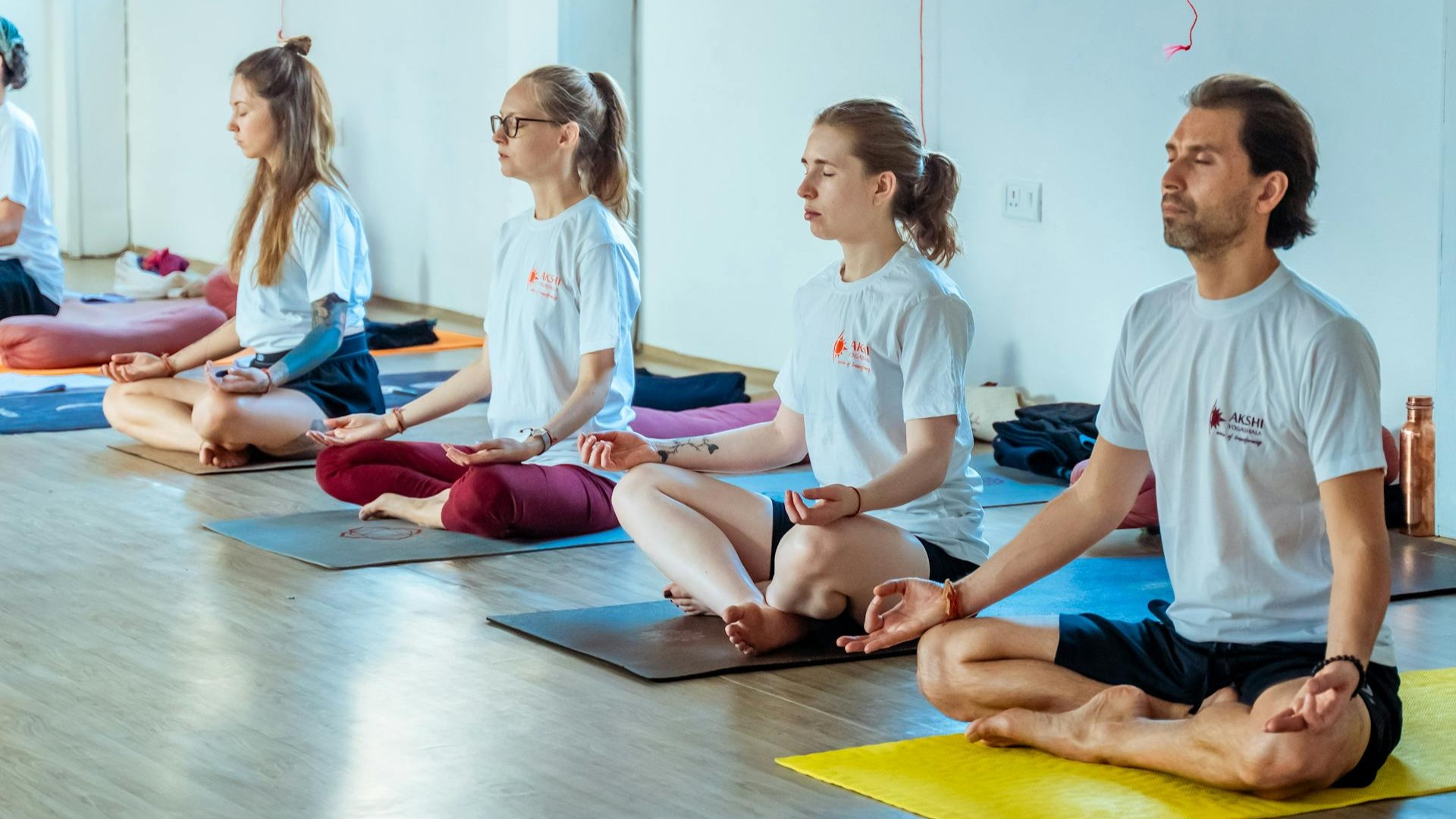
Also known as Complementary and Alternative Medicine (CAM), integrative care may include massage, yoga, acupuncture and other therapies to enhance (not replace) traditional medicine. According to the National Center for Complementary and Alternative Medicine, 36% of Americans use CAM services (Managed Healthcare Executive, 2020). That represents an 18% growth in the past two decades. Among alternative practices, massage is one of the fastest growing integrative care components, particularly for pain management (National Institutes of Health, 2024).
How Massage Factors into Integrative Care
In integrative models, teams of professionals collaborate to optimize patient health. Under this team-based model, a physician may prescribe visits with different professionals, each working in their specialties to improve health outcomes (AMTA, 2018).
As an example, an oncologist may oversee a patient’s treatment team of radiologists, surgeons, massage therapists, nutritionists, and social workers. Massage therapy is one step along a patient’s healing journey.
Common Medical Problems Massage Therapy can Address in Integrative Care
Massage therapists with a medical massage focus may work on teams addressing:
Behavioral Health challenges, including depression, PTSD, anxiety, and substance abuse recovery.
Rehabilitation and Physical Training, including rehab following cardiac treatment; joint replacement surgery, work-related injuries, and scar management.
Acute Medical Treatment for cancer, pain following surgery, lifestyle diseases, and postpartum maternity care.
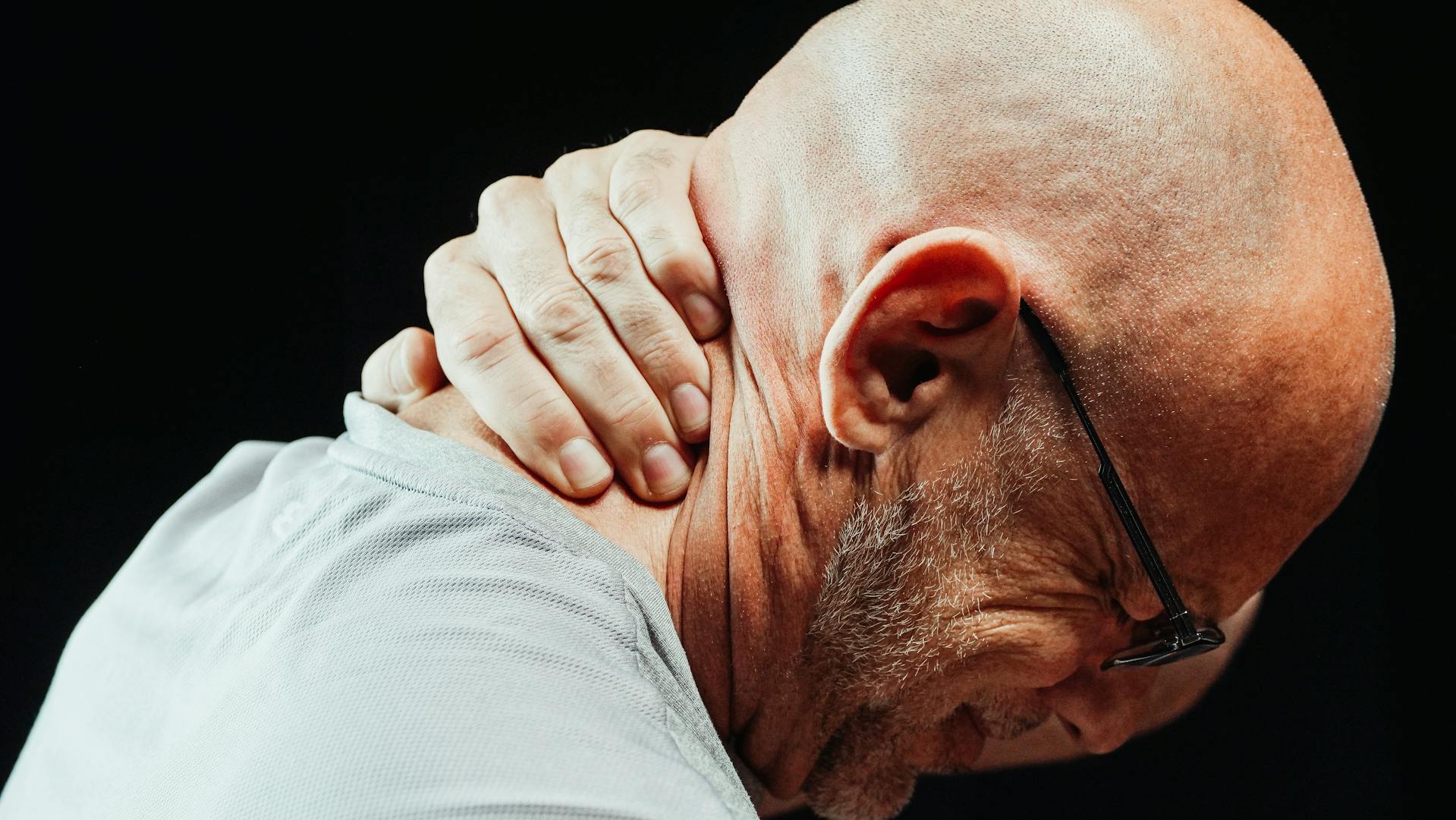
Chronic Pain Management for headaches, carpal tunnel syndrome, fibromyalgia, osteoarthritis, and pain in the neck, shoulder, and back, as well as hospice care.
Overall, medical-related issues are the most common reason clients give for getting a massage (AMTA, 2018, p. 6).
Increased Demand for Integrative Care Massage Therapists
According to the U.S. Bureau of Labor Statistics, massage therapist employment is predicted to grow 15% through 2034. This rate of growth far outpaces job outlook in other professions. Integrative care massage is a key driver of this rosy job outlook, as more and more people appreciate how massage assists with pain management, chronic conditions, and more.
Exploring a Career in Integrative Care Massage
Do you dream of helping others heal? Our massage therapy classes empower graduates to work in all settings, including medical locations. Our alumni are noted for their depth of knowledge in anatomy and physiology as well as their ability to collaborate with medical professionals. Our admissions team would be delighted to discuss your options for massage therapy education. Contact us today at 503-233-6500, or visit our admissions team online at eastwestcollege.com/admissions.
Sources
American Massage Therapy Association. (2017). Massage as a component of integrative healthcare. https://www.amtamassage.org/about/position-statements/massage-integrative-healthcare/
American Massage Therapy Association (2018). Massage Therapy in integrative care & pain management. https://www.amtamassage.org/globalassets/documents/publications-and-research/mt_in_integrative_care_and_pain_management.pdf
Managed Healthcare Executive. (2020). Higher percentages of Americans use alternative medicine. https://www.managedhealthcareexecutive.com/view/higher-percentages-americans-use-alternative-medicine
National Institutes of Health. (2024, January 31). NIH analysis reveals a significant rise in use of complementary health approaches, especially for pain management. https://www.nih.gov/news-events/news-releases/nih-analysis-reveals-significant-rise-use-complementary-health-approaches-especially-pain-management
United States Bureau of Labor Statistics. (2025, April 19). Massage Therapists. Occupational outlook handbook. https://www.bls.gov/ooh/healthcare/massage-therapists.htm