What if tension or restricted movement in one area of the body could be connected to what’s happening somewhere else?
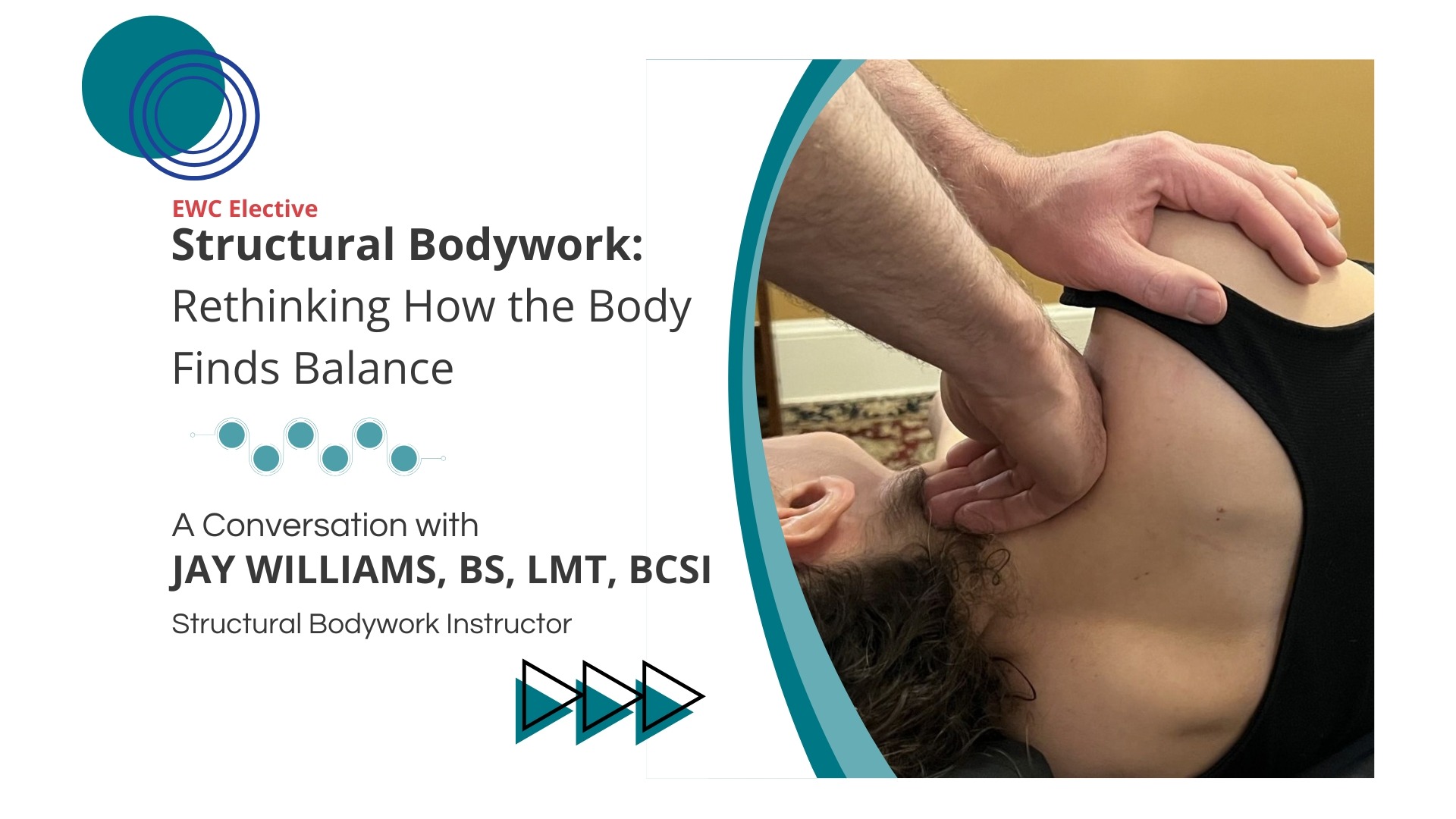
Structural bodywork is a massage modality that considers the relationships between muscles, connective tissue, posture and movement. Rather than focusing exclusively on an individual area of tension, structural bodywork looks at how the body’s interconnected tissues contribute to overall function.
For massage therapy students and practicing LMTs, this approach offers another way to assess movement, address musculoskeletal tension and develop more comprehensive treatment strategies.
What Is Structural Bodywork?
Structural bodywork has its roots in the work of Ida Rolf, a biochemist who developed Structural Integration. Her approach focused on the relationship between the body’s structure, movement and gravity.
A central component of structural bodywork is fascia, the connective tissue network that surrounds and supports muscles, bones, joints and organs.
Fascia does more than provide structural support. It contributes to force transmission, movement and sensory feedback throughout the body. Imagine an interconnected, three-dimensional web in which movement and tension in one area can influence other areas.
This interconnected perspective informs structural bodywork. Through postural assessment, targeted manual techniques and movement education, therapists work with clients to address areas of restriction and support more comfortable, efficient movement.
Understanding Fascia and Myofascial Connections
Traditionally, anatomy education often examines individual muscles, their attachments and their specific actions. This foundational knowledge remains essential for massage therapists, but it is only one way of understanding how the body moves.
Structural bodywork introduces a broader perspective by examining the relationships between muscles and their surrounding connective tissues.
Structural integration practitioner Thomas Myers expanded on this concept through his Anatomy Trains model, which describes interconnected myofascial pathways throughout the body.
These pathways provide a framework for exploring how muscles and connective tissues work together. Research supports the existence of several anatomical myofascial connections, although their precise functional significance and clinical applications are still being investigated.
For massage therapists, understanding these relationships can provide additional perspectives when assessing posture, movement patterns and areas of discomfort.
Emerging Research: Fascia and the Interstitium
Our understanding of fascia continues to evolve as researchers investigate its structural, sensory and fluid-transport functions.
One area of interest is the interstitium, the fluid-filled spaces within and between tissues throughout the body. These spaces are involved in fluid exchange, and researchers continue to investigate how fluid moves through connective tissues and interacts with the body’s established circulatory and lymphatic systems.
This research adds another dimension to our understanding of fascia as an active, interconnected tissue system rather than simply a structural wrapping around muscles and organs.
For structural bodywork practitioners, these developments offer opportunities to explore the relationship between connective tissue, fluid dynamics, movement and therapeutic touch.
However, the precise mechanisms through which manual therapy influences fascia, and how those changes translate into lasting clinical benefits, remain subjects of investigation.
The Mind-Body Connection in Structural Bodywork
Structural bodywork also considers how everyday experiences influence posture and movement.
Stress, repetitive activities, injuries and habitual movement patterns can all contribute to muscular tension and changes in how we move.
Think about the tension that builds in your shoulders during a demanding workday or the stiffness you notice after spending hours at a desk.
These experiences illustrate how our physical and emotional states can influence muscle activity and movement patterns.
Structural bodywork encourages therapists to consider the body as an interconnected system, combining manual techniques with observation, movement awareness and client communication.
For practitioners, this perspective can support a more individualized approach to treatment that considers each client’s movement habits, physical demands and personal goals.
Potential Benefits of Structural Bodywork
Structural bodywork is used to address musculoskeletal tension, movement restrictions and postural concerns. The potential benefits of related myofascial techniques include improvements in pain and flexibility, although the strength of the evidence varies by technique and condition.
Improved Range of Motion
Restricted movement can involve muscles, joints and surrounding connective tissues.
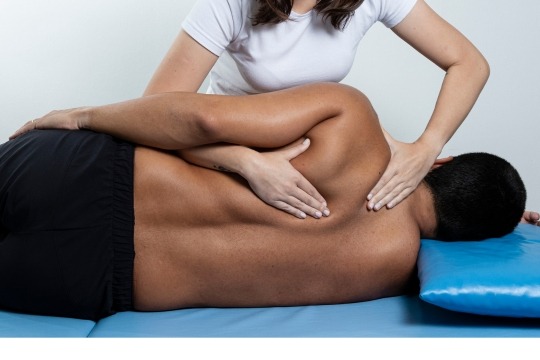
Structural bodywork uses targeted techniques to address tissue restrictions and support more comfortable movement. Therapists may also incorporate active movement and client participation to explore changes in mobility.
Pain Relief
By examining relationships between different areas of the body, structural bodywork offers therapists additional strategies for addressing musculoskeletal discomfort.
Research into fascial manipulation suggests it may help reduce pain in certain musculoskeletal conditions. However, larger, higher-quality studies are needed to establish its effectiveness and determine which approaches are most beneficial.
Body Awareness and Movement
Structural bodywork encourages clients to become more aware of posture, habitual tension and movement patterns.
Through hands-on techniques, movement education and collaborative assessment, therapists can help clients explore more comfortable ways of moving and develop greater awareness of their bodies.
Explore Structural Bodywork at East West College
Whether you’re considering a career in massage therapy, currently enrolled in massage school or looking to expand your professional skills, structural bodywork offers opportunities to deepen your understanding of anatomy, movement, and the body’s interconnected systems.
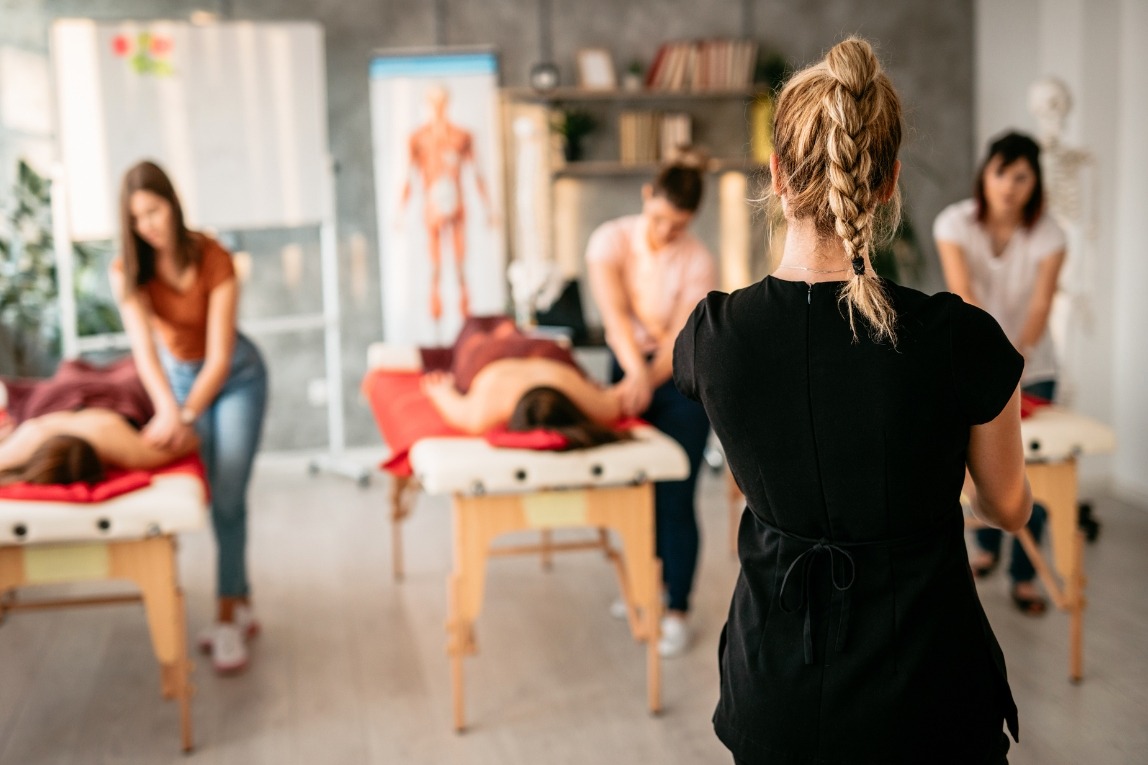
At East West College, students can explore these concepts through the Structural Bodywork elective, which introduces Ida Rolf’s work and emphasizes postural assessment, fascial techniques, movement, and client communication.
For practicing LMTs, continuing education offers opportunities to build on existing skills and explore structural and myofascial approaches that can be integrated into individualized treatment plans.
Discover more about East West College’s massage therapy program or explore upcoming massage and bodywork continuing education courses through Body Minded CE.
Sources
Cooper, A. Z., and Berthier, J. (2023, May 11). The human body’s hidden pathways. The New York Times. https://www.nytimes.com/interactive/2026/05/11/magazine/interstitium-anatomy-acupuncture-medicine.html
Fritz, S., & Fritz, L. A. (2024). Mosby’s fundamentals of therapeutic massage (8th ed.). Elsevier Health Sciences.
Jacobson E. (2011). Structural integration, an alternative method of manual therapy and sensorimotor education. Journal of Alternative and Complementary Medicine (New York, N.Y.), 17(10), 891–899. https://doi.org/10.1089/acm.2010.0258